

Why Choose Sport in jilistorm
- ⚽
Full Coverage
Follow a wide variety of sports, including football, basketball, and more.
- 📊
Detailed Statistics
Access comprehensive data to help you make informed decisions.
- 🎁
Special Promotions
Earn exclusive bonuses and participate in end-of-year offers.
Today's Headlines
- 🏆
Soccer
Watch live matches and enjoy the best betting options.
- 🏀
Basketball
Dive into the on-court action with exclusive stats and analysis.
- 🎾
Tennis
Bet on international tournaments with competitive odds.
Discover the Exciting World of WolfHidingBonusBuy: An In-Depth Look
Dive into the intriguing mechanics and thrilling gameplay of WolfHidingBonusBuy, an innovative game capturing the attention of players everywhere.
- 📖
Study team statistics and performance before betting.
- 🕒
Gamble responsibly and set clear limits.
- 💡
Take advantage of seasonal promotions to maximize your earnings.

Exploring the Intricacies of the Game 'Mafia': Rules, Strategies, and Its Cultural Impact

An In-Depth Look at 'Mafia': The Social Deduction Game
The game 'Mafia' stands as a brilliant testament to the human love of mystery, intrigue, and strategic gameplay. Rooted in social interaction, 'Mafia' is a party game that blends psychological challenges with tactical deceit, making it a favorite among groups looking for a captivating social experience. The game's origins can be traced back to 1986, created by Dmitry Davidoff, a psychology student from Moscow State University. Over the years, it has evolved into a global phenomenon, enjoyed by millions worldwide.
The Introduction to 'Mafia'
At its core, 'Mafia' revolves around the conflict between two groups: the informed minority known as the 'Mafia' and the uninformed majority, the 'Civilians.' The game's primary objective is simple yet complex: eliminate the opposition. However, the magic of 'Mafia' lies in its ability to foster intense debate, suspicion, and cerebral engagement, as players attempt to deduce the identities of fellow participants. Whether played as a casual pastime or in more formal settings, 'Mafia' offers an intellectually stimulating experience that can adapt to various contexts and group sizes.
The Basic Rules of 'Mafia'
The game is best played with a large group of participants, ideally between 8 and 15 players. A moderator is essential to guide the sequence of events and maintain the game's flow. Here's a brief breakdown of the basic rules:
- Role Assignment: Each player is stealthily assigned a role. Common roles include Mafia members, Civilians, a Detective, and a Doctor. The role assignment can be randomized using a deck of cards or slips of paper.
- Game Phases: 'Mafia' consists of alternating day and night phases. During the night phase, the Mafia members secretly collude to choose a player to eliminate. The Detective may also act, interrogating the moderator to determine a player's true role, while the Doctor can select a player to potentially save from elimination.
- Day Phase: The day phase is marked by open discussion, where players debate, attempt to deduce, and vote on a suspect to eliminate. This phase concludes with a public vote, and the player receiving the majority of votes is removed from the game.
- Win Conditions: The Civilians aim to eliminate all Mafia members, while the Mafia seeks to outnumber the Civilians. The game continues until one group achieves its win condition.
Strategic Depth and Social Dynamics
'Mafia' is not merely a game of stealth and suspicion; it is a game of deep strategy and social acuity. Players must balance honesty with deceit, building alliances and sowing doubt as necessary. The interactive dynamics often mirror real-world social interactions, making 'Mafia' a remarkable tool for analyzing human behavior and group psychology.
The Cultural Impact of 'Mafia'
The influence of 'Mafia' extends far beyond its gameplay mechanics, permeating various aspects of popular culture. Its themes of conspiracy, trust, and betrayal resonate with contemporary audiences and have been adapted into media, literature, and entertainment. The game's simplicity and adaptability have also made it a staple in educational settings, where it is used to teach critical thinking, negotiation, and collaborative problem-solving skills.
As of late, the game has regained traction in a digital format, spurred by the popularity of online gaming platforms. This resurgence aligns with the current interest in social deduction games, such as 'Among Us,' reflecting a broader societal shift toward interactive, multiplayer experiences. The online adaptation of 'Mafia' also answers the modern need for virtual social interaction, particularly in a world still grappling with the aftermath of global events that have limited face-to-face contact.
The Role of 'Mafia' in a Changing World
The evolution of 'Mafia' from a university experiment to a global pastime underscores its timeless appeal. As the world navigates complex challenges, from technological advancements to societal shifts, 'Mafia' offers a microcosm of these experiences, allowing players to explore themes of trust, leadership, and moral ambiguity in a controlled environment. Its ability to engage players in meaningful dialogue and strategic thought remains unparalleled, proving that even in the realm of games, there is much to be learned about the world and ourselves.
Today's Headlines
-
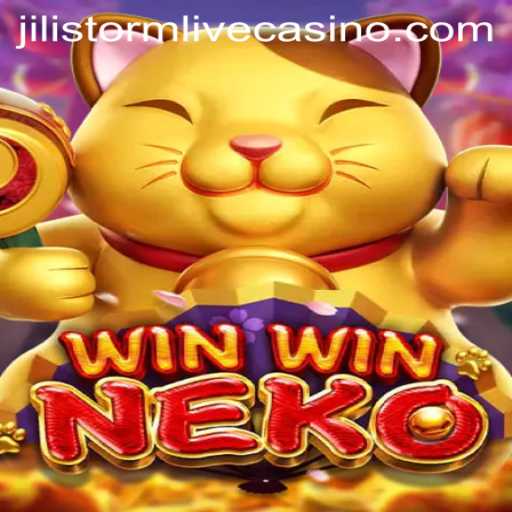
Discover the enchanting game of WinWinNeko and delve into the captivating realm of Jilistorm, a game that combines strategy, chance, and skill to create an unforgettable experience.
-
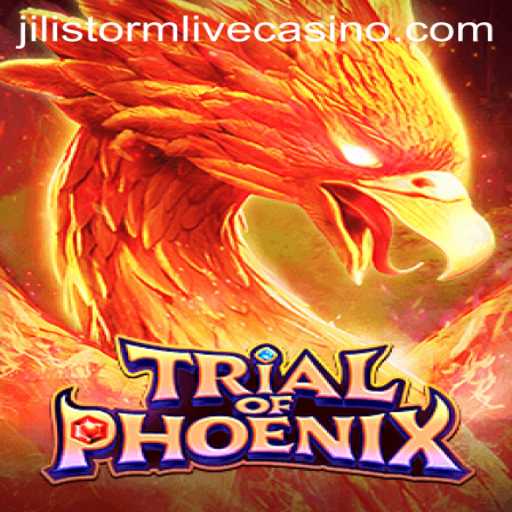
Explore the captivating world of TrialofPhoenix and uncover its thrilling gameplay, compelling storyline, and intricate rules.
-

Discover the captivating world of CHINESENEWYEARMOREWAYS, a game that brings cultural traditions to life while incorporating modern gaming elements.
-

Dive into the exciting world of 'CrazyGems', the captivating new game taking the industry by storm. Understand its gameplay, rules, and how it ties into current trends with keywords like 'jilistorm'.
-
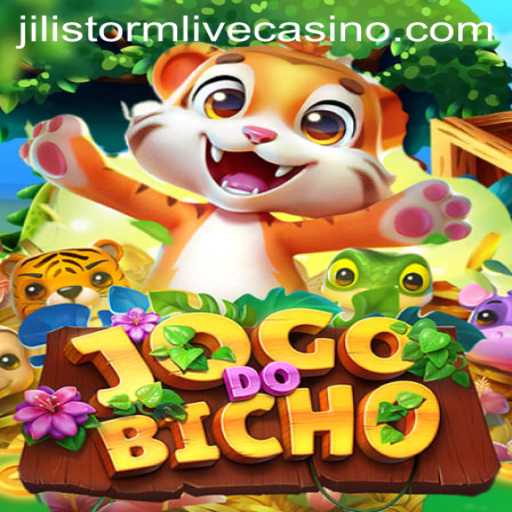
Immerse yourself in the exciting universe of JOGODOBICHO, a game that blends creativity, strategy, and real-world events through innovative gameplay and engaging rules.
-
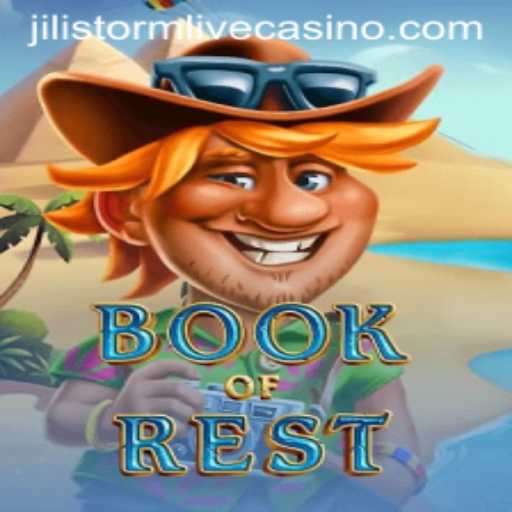
Discover the intriguing world of BookofRest, an immersive gaming experience combining strategic gameplay with real-world dynamics.
-

Explore the captivating world of GoHighGoneFishing, a game that promises endless adventure and excitement, intertwined with current global trends.
-

Explore the captivating world of DiamondExplosionTango, a thrilling new game with dynamic gameplay influenced by the unique concept of Jilistorm. Discover its vibrant universe, intricate rules, and how it resonates with current global gaming trends.


